
The Rise of Digital Wallets: Transforming Payments in the Digital Age
Discover how digital wallets are revolutionizing payments, offering convenience, security, and seamless transactions for users worldwide.
Make transactions faster, safer, and more convenient than ever before!
The way people make payments has undergone a radical transformation over the last decade.
Digital wallets have emerged as a powerful tool, replacing traditional cash and card transactions with seamless, secure, and efficient digital payments.
With the rise of smartphones and internet accessibility, consumers are embracing this technology at an unprecedented rate.
The appeal of digital wallets lies in their ability to store payment information securely, enabling quick and contactless transactions.
Whether making in-store purchases, paying bills, or transferring money, digital wallets simplify financial transactions while enhancing security.
As businesses and consumers continue to seek convenience, the adoption of digital wallets is only expected to accelerate.
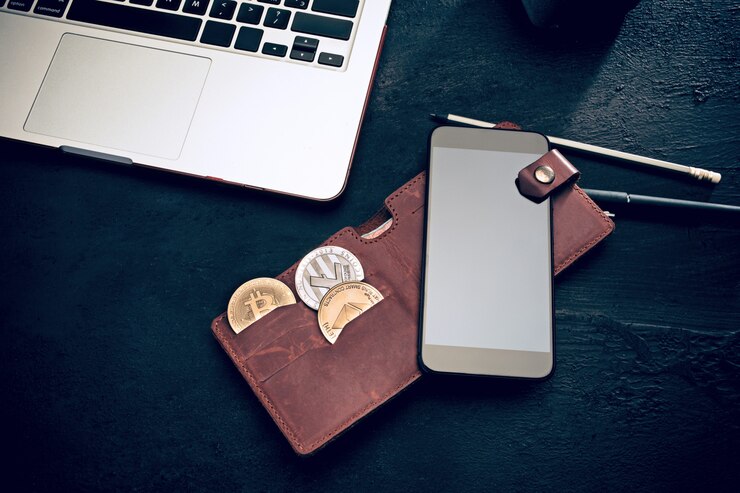
A New Era of Cashless Transactions
Convenient and Contactless
One of the primary advantages of digital wallets is their convenience. By linking bank accounts, credit cards, or cryptocurrencies to a single digital platform, users can complete transactions with a simple tap or scan.
This eliminates the need to carry cash or physical cards, making payments more efficient.
Enhanced Security Features
Security concerns have long been a factor in payment technology, but digital wallets offer advanced encryption and authentication methods, such as biometric verification and tokenization. These measures reduce the risk of fraud and unauthorized access, providing users with peace of mind.
Integration with Multiple Services
Beyond payments, digital wallets are integrating with loyalty programs, public transportation, and even identity verification services.
This multifunctionality makes them an essential tool in modern digital lifestyles.
Wider Global Adoption
From small businesses to major corporations, digital wallet acceptance is expanding worldwide. Mobile payment platforms such as Apple Pay, Google Wallet, and PayPal have gained global traction, while regional digital wallets cater to specific markets, further driving adoption.
The Future of Digital Wallets
As technology continues to evolve, digital wallets will likely incorporate artificial intelligence, blockchain, and decentralized finance (DeFi) solutions.
These innovations could enhance personalization, security, and accessibility, further solidifying digital wallets as the preferred payment method of the future.
With increasing consumer demand and continued technological advancements, the rise of digital wallets represents a significant shift in how people manage and interact with their finances.
Financial Inclusion and Accessibility
Digital wallets are bridging financial gaps by offering banking solutions to underserved populations.
People without traditional bank accounts can now access financial services, make payments, and store money securely, fostering greater economic participation.
Seamless Peer-to-Peer Transfers
Sending money to friends and family has never been easier. Digital wallets enable instant peer-to-peer (P2P) transfers, eliminating the need for cash or bank visits.
With just a few taps, users can split bills, send gifts, or support loved ones globally.
Reduced Transaction Costs
Traditional banking and payment methods often come with high fees, especially for international transfers.
Digital wallets streamline transactions with lower processing costs, making them an attractive alternative for businesses and consumers alike.
Eco-Friendly Payment Solutions
By reducing the need for physical cash and paper receipts, digital wallets contribute to sustainability. Many platforms also promote digital receipts and eco-conscious rewards programs, encouraging greener financial habits.
Business Growth and Innovation
Businesses are leveraging digital wallets to enhance customer experiences. Features like instant refunds, loyalty rewards, and AI-driven spending insights help companies build stronger customer relationships and improve overall engagement.
Greater Control Over Spending
Digital wallets provide real-time transaction tracking, budgeting tools, and spending insights.
Users can monitor their expenses, set limits, and receive notifications, promoting better financial management and reducing overspending.
Enhanced Travel Convenience
Travelers benefit from digital wallets through currency conversion, contactless payments, and global acceptance. Features like storing boarding passes, hotel keys, and public transport cards streamline the travel experience, making trips more seamless.

Related Content
Best Cashback Credit Cards of 2025
Earn more every day with the best cashback credit cards of 2025!
Keep reading * You will remain on the current websiteIntegration with Wearable Technology
Smartwatches and fitness trackers are now equipped with digital wallet capabilities, allowing for hands-free payments.
This integration enhances convenience, particularly for active users who prefer not to carry their phones or wallets during daily activities.
Conclusion
The transition to digital wallets marks a turning point in financial technology, paving the way for a more connected and cashless society. Whether for convenience, security, or speed, digital wallets are shaping the future of payments worldwide.