Smart Budget Planning for a Successful Work and Travel Experience
Learn how to plan your work and travel budget effectively and avoid financial stress abroad. Check these tips out.
Plan smart, travel farther, and spend with confidence.
Planning a work and travel experience is exciting, but financial preparation is what truly determines how smooth your journey will be. Without a clear budget, unexpected expenses can quickly turn an adventure into a stressful situation.
A well-structured financial plan helps you stay in control, make better decisions, and enjoy your time abroad with peace of mind. Understanding where your money goes is just as important as earning it during your trip.
Understanding your total financial starting point
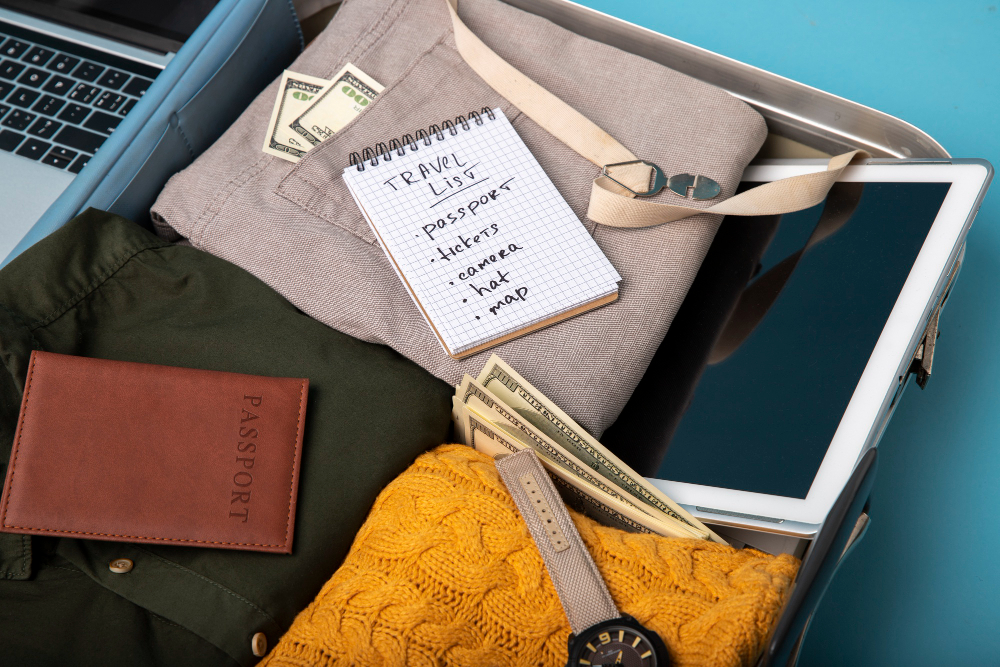
Before planning any expenses, it is essential to understand how much money you currently have available and how much you can realistically save before traveling. This includes your savings, expected income, and any financial support you may receive, giving you a clear baseline for your budget planning.
Once you define your starting point, you can estimate how long your resources will last and how much you will need to earn abroad. This awareness prevents unrealistic expectations and helps you build a more sustainable financial strategy throughout your journey.
Estimating pre-departure costs accurately
Many travelers underestimate the costs that come before the trip even begins, such as visa fees, insurance, flights, and initial accommodation. These expenses can represent a significant portion of your total budget and must be calculated carefully to avoid surprises.
Creating a detailed list of all pre-departure costs allows you to prioritize spending and identify areas where you can save. By preparing financially in advance, you reduce the pressure of starting your trip already dealing with limited funds.
Planning daily expenses in a realistic way
Daily living costs vary widely depending on your destination, lifestyle, and personal habits, so researching average prices is crucial. Expenses such as food, transportation, communication, and leisure activities should be included to create a realistic and flexible daily budget.
Instead of aiming for the lowest possible spending, focus on a balanced approach that allows you to live comfortably without overspending. This mindset helps maintain consistency and prevents sudden financial strain during your stay abroad.
Balancing income and expenses abroad
One of the main advantages of work and travel programs is the opportunity to earn money while exploring a new country. However, income may not be immediate or consistent, so it is important to plan how you will manage expenses until you receive your first payments.
Building a buffer fund ensures you can cover your needs during the initial period without stress. Once you start earning, maintaining discipline in spending allows you to save, extend your stay, or invest in additional experiences during your trip.
Preparing for unexpected situations
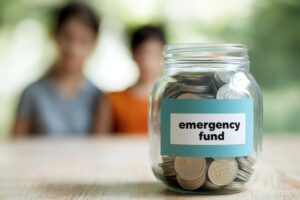
Unexpected expenses are inevitable during any long-term travel experience, whether related to health, job changes, or sudden opportunities. Having a financial safety margin is essential to avoid compromising your overall plan when unforeseen situations arise.
Setting aside an emergency fund and regularly reviewing your budget helps you stay adaptable and in control. This preparation not only protects your finances but also allows you to embrace your journey with confidence and flexibility.
Tracking your expenses consistently
Keeping track of your daily spending is one of the most effective ways to stay within your budget while traveling. Using simple tools like mobile apps or spreadsheets helps you identify patterns, avoid unnecessary expenses, and make quick adjustments when needed.
Regular monitoring also increases your financial awareness and prevents small costs from accumulating into larger problems. By reviewing your expenses weekly, you maintain control over your finances and ensure that your plan remains aligned with your goals.
Choosing cost-effective accommodation options
Accommodation is often one of the biggest expenses during a work and travel experience, so selecting affordable options is crucial. Alternatives such as shared housing, hostels, or employer-provided accommodation can significantly reduce your overall costs.
Evaluating location, transportation access, and included amenities helps you make smarter choices without sacrificing comfort. A well-chosen place to stay not only saves money but also improves your daily routine and overall experience abroad.

Related Content
Entry-Level Remote Jobs Without a Degree
Remote work is possible without formal education.
Keep reading * You will remain on the current websiteMaximizing savings through smart spending habits
Adopting conscious spending habits can make a significant difference in how far your budget stretches during your trip. Small actions like cooking your own meals, using public transportation, and taking advantage of discounts can lead to substantial savings over time.
Being intentional with your purchases allows you to prioritize experiences that truly matter. This approach not only preserves your financial stability but also enhances the quality of your work and travel journey.